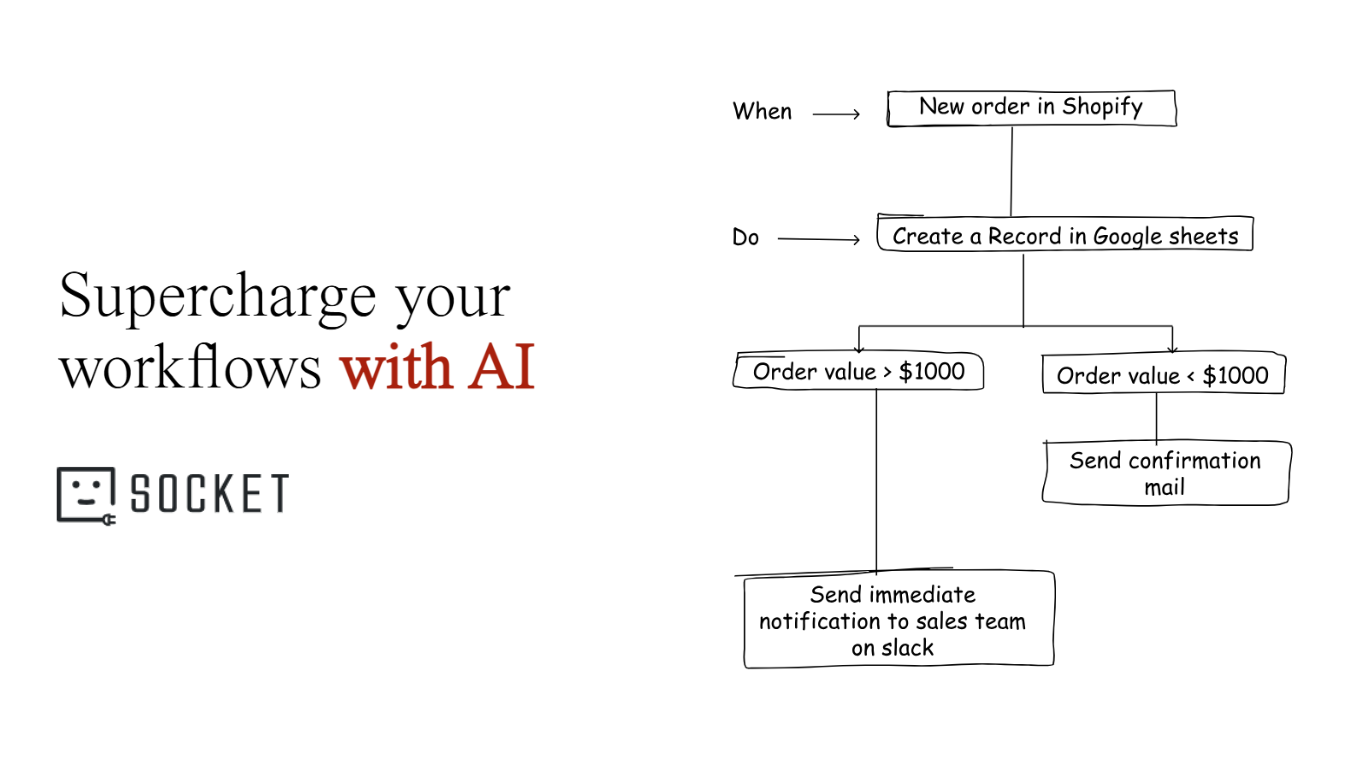
The Next Generation of Automation Workflows

Automation has already changed how work gets done, but the next generation of automation workflows is set to go much further. Instead of simply following predefined rules, modern workflows are becoming intelligent systems that can adapt, learn, and make decisions. This shift is driven by artificial intelligence and real-time data, enabling workflows to respond dynamically to changing situations. The next generation of automation is not about doing more tasks automatically—it is about running work more intelligently.
Stop Automating Your Tasks. Start Automating Decisions.
The next generation of automation workflows uses AI and real-time data to adapt, learn, and run work intelligently—beyond fixed rules.
Explore nowFrom Rule-Based Automation to Intelligent Workflows
Traditional automation works well for predictable, repetitive tasks. It follows fixed logic and executes actions exactly as instructed. However, as business processes become more complex, rule-based automation starts to show limitations.
Next-generation automation workflows introduce intelligence into this model. They can interpret data, understand context, and choose actions based on conditions that are not strictly predefined. This allows workflows to handle real-world scenarios where inputs and outcomes are not always predictable.
Key differences include:
- Static execution vs adaptive behavior
- Manual configuration vs AI-assisted logic
- Fixed outcomes vs data-driven decisions
This evolution makes automation far more practical and resilient.
Core Characteristics of Next-Generation Automation
The next generation of automation workflows is defined by a few essential characteristics.
These workflows are context-aware, meaning they understand the data they process rather than treating it as simple input. They are event-driven, reacting instantly to changes instead of relying on schedules. They also support continuous improvement, learning from previous executions to refine future actions.
Together, these capabilities allow automation workflows to operate more like intelligent systems rather than scripted processes.
How Teams Use Next-Generation Automation
Next-generation automation workflows are designed to support real team workflows, not just isolated tasks.
Product and engineering teams use intelligent automation to organize incoming issues, prioritize work, and reduce operational noise. Sales and marketing teams rely on automation that adapts messaging and actions based on customer behavior. Support and operations teams benefit from faster routing, better summaries, and reduced manual coordination.
Across teams, the focus shifts from managing tools to managing outcomes.
The Role of AI in Modern Automation Workflows
AI is the foundation of next-generation automation. It enables workflows to analyze text, patterns, and historical data to make informed decisions.
AI-powered workflows can:
- Classify and prioritize inputs
- Generate summaries and content
- Predict outcomes or risks
- Recommend next actions
By embedding AI directly into automation, workflows become capable of handling tasks that previously required human judgment.
Automation Platforms Are Also Evolving
As workflows become more intelligent, automation platforms must evolve as well. The next generation of platforms will focus less on the number of integrations and more on how effectively they support intelligent decision-making.
Platforms like viaSocket are moving in this direction by enabling teams to build event-driven workflows that connect apps, data, and actions in real time. Instead of relying only on rigid rules, such platforms are designed to support smarter routing, faster responses, and better visibility across workflows.
Important platform capabilities include:
- AI-native workflow engines
- Natural language-based workflow creation
- Real-time, event-driven execution
- Clear visibility into AI actions
- Human oversight for critical decisions
Platforms that fail to evolve beyond basic rule execution will struggle to remain relevant.
Why the Next Generation of Automation Matters
The shift to next-generation automation is not just a technical upgrade—it is a strategic one. Intelligent workflows help organizations move faster, adapt more easily, and operate with greater clarity. They reduce dependency on manual coordination and allow teams to scale without increasing complexity.
For individuals and teams alike, this means spending less time managing processes and more time creating value.
Looking Ahead
The next generation of automation workflows represents a fundamental change in how work is structured. As AI continues to mature, workflows will become increasingly autonomous while still remaining under human control. Success will depend on using automation thoughtfully—balancing intelligence with transparency and flexibility with oversight.
Organizations that adopt intelligent automation early will be better prepared for the future, not just because they automate more tasks, but because they automate smarter.